

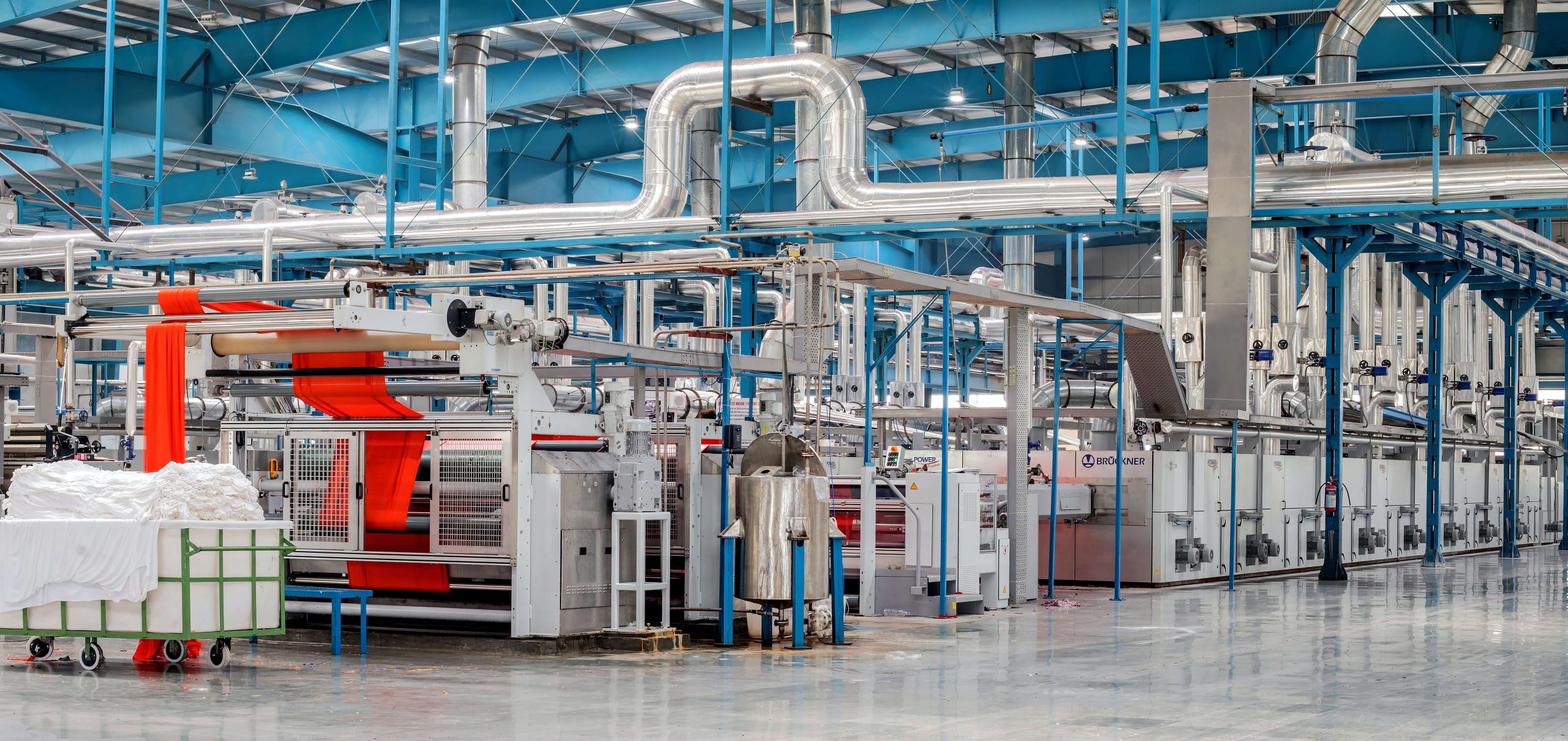
Progress on the factory floor often comes from upgrades that quietly reshape how long each stage of production takes. Modern industrial curing ovens are one of those upgrades, giving manufacturers new control over time-sensitive processes that once slowed output. By tightening thermal accuracy and shortening cure cycles, these ovens help teams hit production targets that once felt out of reach.
Expedited Component Drying Times
Speeding up drying is one of the biggest advantages offered by today’s industrial curing ovens. Their controlled heat delivery removes trapped moisture, solvents, and binders quickly enough to prevent delays that once disrupted finishing schedules. The design of an industrial curing oven keeps airflow consistent so coatings set evenly without needing multiple passes or lengthy rest periods.
Materials that used to sit idle before advancing to the next station can now move forward almost immediately. This improvement reshapes how paint lines, adhesive bonding, and composite fabrication operate on a daily basis. Many facilities use a paint curing oven specifically because it shortens both mid-process and final cure times while protecting surface quality.
Reduced Overall Processing Bottlenecks
Production bottlenecks often start at thermal curing steps, especially when older equipment struggles to maintain steady temperatures. Modern industrial curing ovens eliminate these gaps by providing repeatable heat profiles that match the exact requirements of each substrate. This prevents uneven drying that forces teams to slow output or re-stage parts.
Other departments feel the effect as well because faster curing reduces the queue of items waiting for finishing. Heat cycles move predictably, allowing material flow to stay even from start to finish. These improvements transform a once-congested section of the line into a dependable part of daily operations.
Consistent Heat Application Yields Less Rework
Reliable heat distribution keeps manufacturers from dealing with finishes that cure too fast on one side and too slow on another. Industrial curing ovens use well-balanced burners, ducting, and recirculation systems that bathe every part in uniform temperature conditions. Consistency becomes a direct contributor to less rework and fewer rejected pieces.
That level of uniformity is especially important for coatings that must maintain gloss, adhesion, hardness, or chemical resistance. Facilities that frequently battled uneven finishes now enjoy predictable outcomes that protect schedules and budgets. A paint curing oven gives operators confidence that each batch will match the last without surprise defects.
Maximizing Throughput on Existing Floor Space
Not every facility can expand its footprint, so increasing throughput often depends on using the space already available. Long cure cycles once consumed entire sections of the shop floor, but industrial curing ovens compress those times, freeing room for additional production tasks. Faster cycles create opportunities to run more batches per shift without adding square footage.
Some ovens are built in sizes that match standard floor plans, making integration easy even for shops with tight layouts. This allows managers to redirect saved space toward storage, material staging, or more workstations—all without sacrificing finish quality or cure reliability.
Achieve Uniform Material Strength Reliably
Many materials require specific thermal exposure to reach the strength levels intended by their engineering specifications. Industrial curing ovens apply heat evenly, allowing polymers, coatings, adhesives, or composites to reach the structural stability they were designed for. Uneven heating would produce weak points, but modern systems avoid that risk.
Uniform strength also plays a major role in safety and long-term durability. Components that cure consistently resist stress better and maintain performance under repeated use. Heat accuracy therefore supports both performance standards and the credibility of the finished product.
Cutting Energy Waste per Cured Unit Produced
Energy efficiency matters more as production volumes rise. Today’s industrial curing ovens reduce energy waste by using insulated panels, precision burners, and optimized airflow to retain heat instead of losing it through the enclosure. These engineering upgrades help ovens reach set temperatures faster and require less fuel during long cycles.
Energy saved on each batch compounds quickly. A facility curing thousands of parts per week benefits from lower fuel consumption and fewer temperature fluctuations. Over time, this adds up to meaningful operational savings without compromising the quality of the cured surfaces.
Faster Turnaround on Bespoke Product Lines
Custom product lines often struggle with cure stages because varied shapes, coatings, or materials introduce unpredictability. Modern industrial curing ovens respond with programmable controls that let operators tune the cycle to the exact needs of each unique build. This flexibility shortens lead times for small-batch or specialty items.
Shops that produce one-off or limited-run components gain the freedom to shift quickly between jobs. This makes a paint curing oven ideal for sectors that rely on frequent design changes or personalized finishes, helping them keep pace with demanding customers.
Meeting Stringent Regulatory Standards Efficiently
Many industries—automotive, aerospace, medical, and architectural coatings among them—require finishes that meet strict thermal performance standards. Modern industrial curing ovens deliver the tight temperature control needed to stay compliant without slowing production. Their ability to maintain stable environments ensures that each unit meets the required cure profile. Regulatory compliance becomes more predictable once the curing stage is no longer inconsistent. With today’s ovens, documentation, quality checks, and audits move faster because output remains uniform from batch to batch. Reliant Finishing Systems provides ovens designed for high-performance environments and supports companies seeking reliable, compliant curing technology.
 Arsya
Arsya